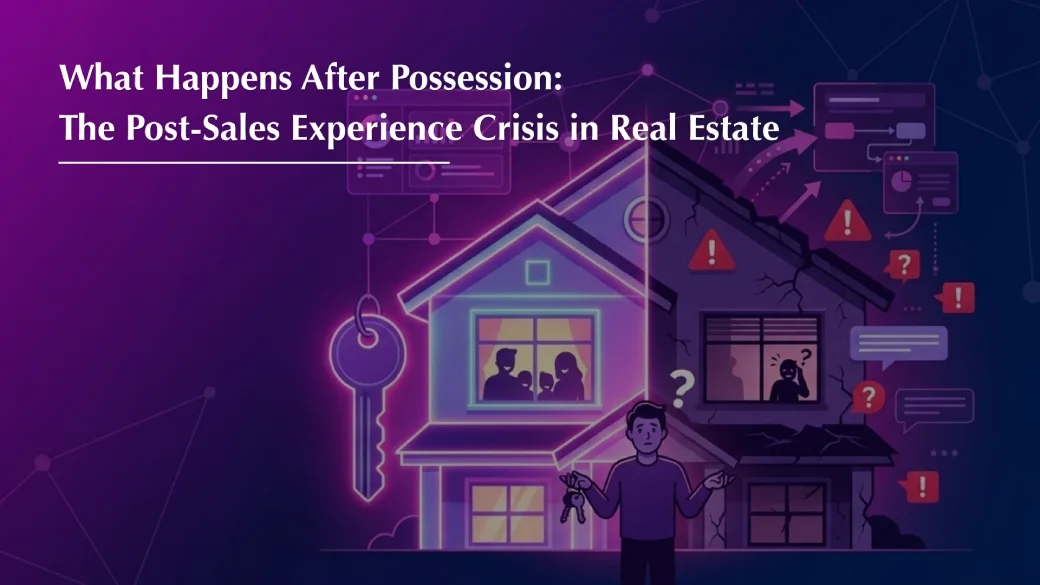
What Happens After Possession: The Post-Sales Experience Crisis in Real Estate
The Indian real estate industry has made enormous progress in pre-sales.
Digital marketing has become sophisticated. CRM adoption has improved. Sales teams are better trained. Lead management has evolved.
But there is one stage of the customer journey that remains largely broken:
Post-possession.
Once keys are handed over, most developers lose the customer.
And losing the customer after possession is one of the most expensive mistakes a developer can make.
Why Post-Possession Matters More Than Most Developers Realize
A satisfied post-possession customer is three things simultaneously:
A referral engine: happy residents recommend projects to friends, family, and colleagues. In a category where trust is everything, word-of-mouth remains the most powerful sales channel.
A repeat investor: premium customers who have had a positive experience are highly likely to invest in the developer's next project.
A brand builder: in the age of Google reviews, social media, and online forums, customer experience after possession shapes developer reputation at scale.
Conversely, a dissatisfied post-possession customer creates public damage that no amount of advertising can repair quickly.
Snagging complaints left unresolved. Maintenance escalations ignored. Documentation follow-ups unanswered. These experiences create vocal detractors.
Why CRM Stops at Possession
Most Salesforce implementations in real estate treat possession as the end of the customer journey.
The logic is understandable: sales is the revenue function, and CRM is the sales tool.
But this logic is shortsighted.
The cost of acquiring a new customer in real estate is enormous. The cost of retaining an existing one — and converting them into a referral source — is a fraction of that.
When CRM stops at possession, the developer loses structured visibility into service requests, escalations, and satisfaction levels. There is no mechanism to proactively engage customers who are approaching possession. No system to capture snag complaints and track resolution. No platform to maintain ongoing community relationships.
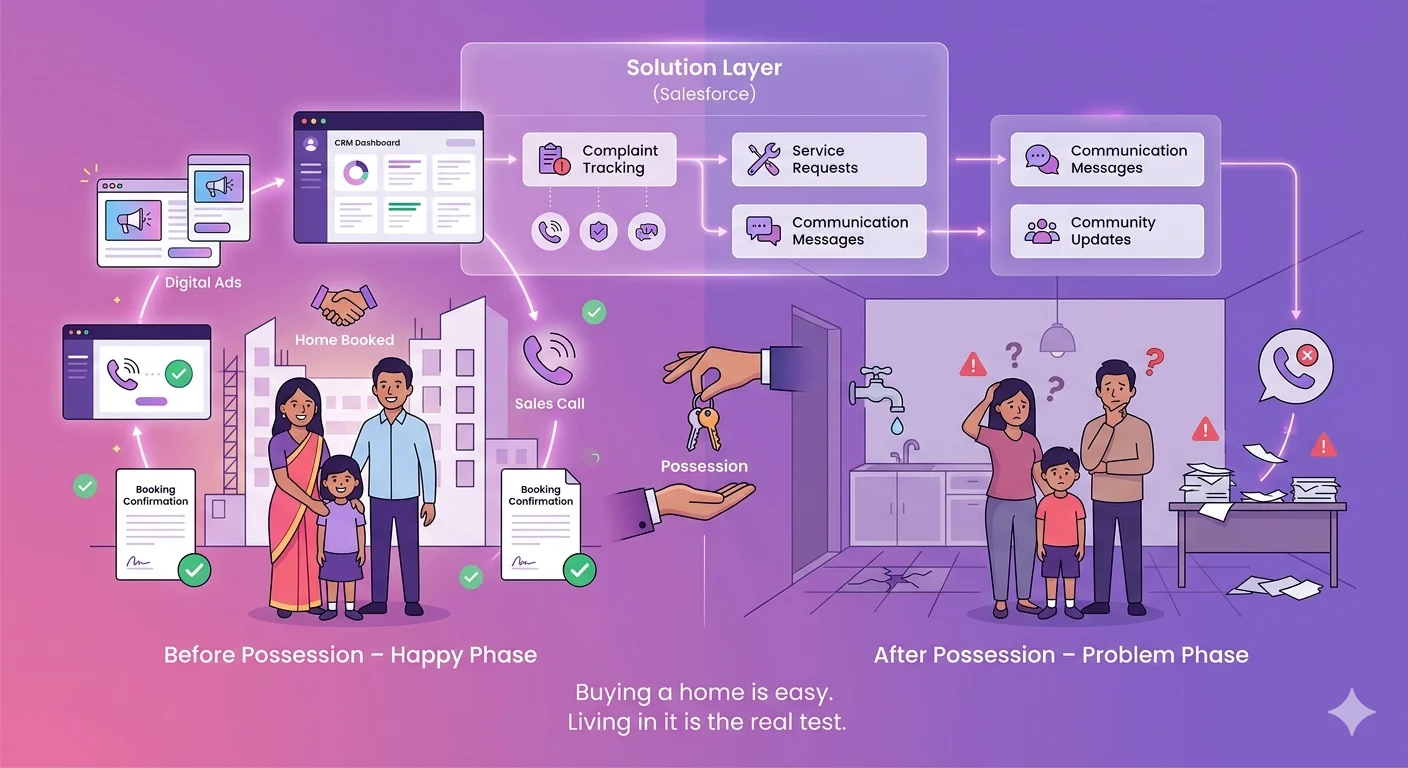
The Salesforce Solution
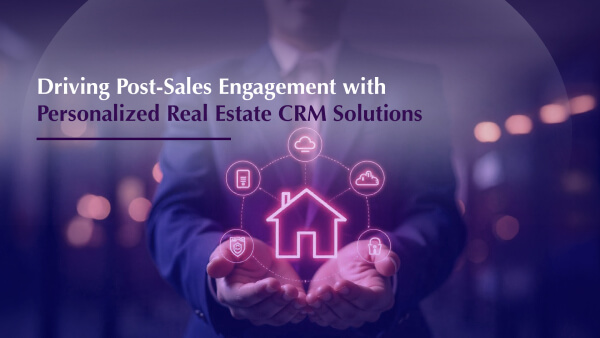
A domain-led implementation extends Salesforce beyond the booking stage into a complete post-sales lifecycle.
Possession scheduling and communication are automated. Snagging workflows are captured and tracked to resolution. Customer service escalations are managed through structured SLA-driven processes. Community engagement — updates, events, newsletters — is driven through the platform.
Over time, this creates a living customer relationship database that sales and marketing teams can leverage for referral campaigns, loyalty programs, and new project launches.
The customer does not exit the system at possession. They enter a new stage of the relationship.
The Competitive Advantage
Developers who build excellent post-possession experiences will build something more valuable than any single project.
They will build a loyal customer community.
And in the next decade of Indian real estate, where project launches will intensify and customer trust will become the ultimate differentiator, that community will be the developer's most powerful asset.